
 See Our Latest Article on HelloNation
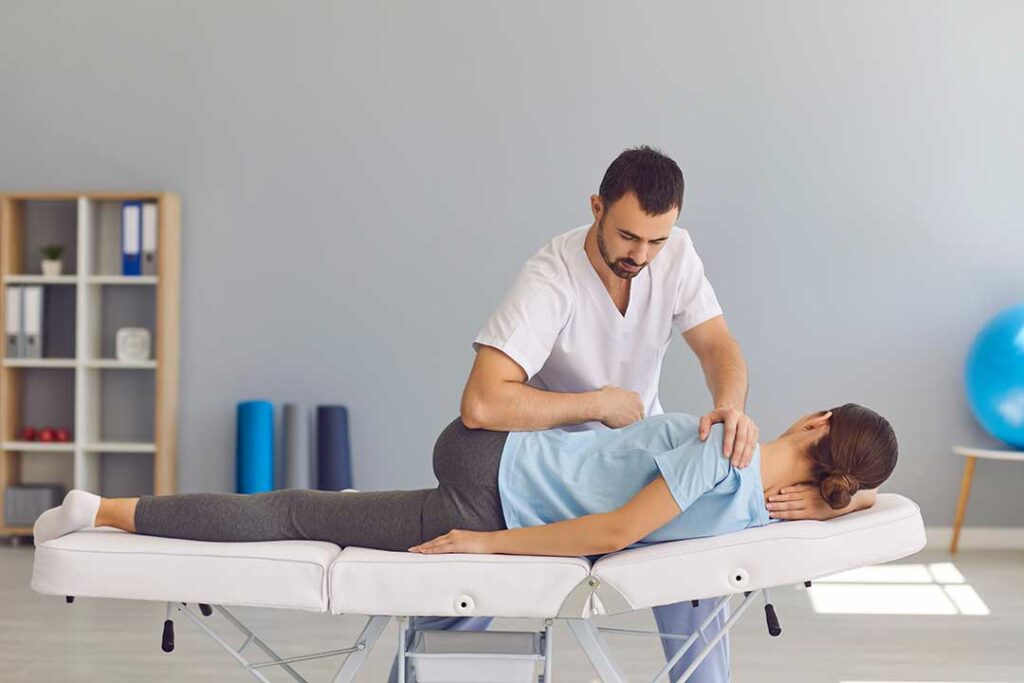
Older adults in New Paltz, NY may consider chiropractic care for back pain, neck discomfort, stiffness, or difficulty moving comfortably. The potential benefits are usually modest and condition-specific: some people experience less pain, improved function, and easier movement. Chiropractic care should be viewed as one possible part of a broader plan that may also include exercise, medical evaluation, medication review, and fall-prevention measures.
What benefits may chiropractic care offer older adults?
Chiropractic treatment may help some seniors manage certain types of musculoskeletal pain, particularly uncomplicated low-back pain, neck pain, and joint stiffness. Spinal manipulation and mobilization can produce small improvements in pain and function, including walking, standing, sleeping, and completing household activities. ([nccih.nih.gov](https://www.nccih.nih.gov/health/spinal-manipulation-what-you-need-to-know?utm_source=openai))
The term “chiropractic care” can describe more than a forceful spinal adjustment. Depending on the person’s health history and goals, care may include:
- Gentle spinal or joint mobilization
- Soft-tissue techniques
- Advice about posture and body mechanics
- Home movement or stretching exercises
- Guidance on gradually returning to normal activity
For an older adult, the most useful outcome may not be complete pain elimination. It may be being able to stand long enough to prepare a meal, walk safely through the home, sleep with fewer interruptions, or participate in seasonal activities without as much discomfort.
Can it help with lower-back pain?
For acute or chronic low-back pain, spinal manipulation is one nondrug option among several. Research summarized by the National Center for Complementary and Integrative Health suggests that benefits are generally mild to moderate and may be similar in scale to other conservative treatments. Exercise, physical therapy, massage, and self-management are also commonly considered. ([nccih.nih.gov](https://www.nccih.nih.gov/health/spinal-manipulation-what-you-need-to-know?utm_source=openai))
Older adults may develop back pain from prolonged sitting, reduced strength, osteoarthritis, previous injuries, or changes in walking patterns. In a community with a mix of older homes, stairs, uneven walkways, and seasonal outdoor conditions, ordinary tasks such as carrying groceries, shoveling, or stepping over icy areas can add strain.
Chiropractic care should not be used to mask pain that may have a more serious cause. New back pain after a fall, unexplained weight loss, fever, progressive weakness, loss of bladder or bowel control, or numbness in the groin area requires prompt medical evaluation rather than routine manual treatment.
Could chiropractic care improve balance or reduce falls?
There is interest in whether reducing spinal pain and improving movement might support steadier walking. However, chiropractic care should not be presented as a proven stand-alone fall-prevention treatment.
A recent observational study of adults age 65 and older with spinal pain found fewer recorded falls among those who received spinal manipulation than among a matched comparison group. Because the study was observational, it cannot establish that manipulation caused the lower fall rate. Researchers also found no meaningful difference in limb fractures and recommended further study. ([pmc.ncbi.nlm.nih.gov](https://pmc.ncbi.nlm.nih.gov/articles/PMC11585376/?utm_source=openai))
Fall prevention usually depends on several factors:
- Leg and hip strength
- Vision and hearing
- Blood pressure and medication effects
- Footwear
- Balance training
- Lighting and stair safety
- Removal of loose rugs and trip hazards
- Safe walking surfaces during snow, ice, and wet weather
For someone who feels dizzy, unsteady, or newly afraid of falling, the first step should be identifying the cause. Dizziness can result from medication effects, inner-ear problems, blood-pressure changes, neurological conditions, or other issues that require medical assessment.
Is chiropractic care safe for seniors?
Many older adults tolerate carefully selected chiropractic treatment without serious complications, but age-related conditions can change the risk. Common short-term effects include muscle soreness, stiffness, a temporary increase in pain, headache, fatigue, dizziness, or lightheadedness. These effects are often mild and temporary, but they should still be reported if they are persistent or worsening. ([nccih.nih.gov](https://www.nccih.nih.gov/health/spinal-manipulation-what-you-need-to-know?utm_source=openai))
Extra caution is appropriate for people with:
- Osteoporosis or a history of fragility fractures
- Recent surgery or serious injury
- Cancer affecting the bone
- Inflammatory joint disease
- Significant spinal stenosis or neurological symptoms
- A history of stroke or vascular disease
- Bleeding disorders or use of blood-thinning medication
- Severe frailty or substantial balance impairment

A thorough health history matters because the same technique may be reasonable for one person and inappropriate for another. Relevant information includes current medications, prior fractures, surgeries, implanted devices, recent falls, and any changes in strength or sensation.
What about neck adjustments?
Neck manipulation deserves a separate discussion. Serious vascular or neurological problems have been reported after neck manipulation, although these events are rare and research has not definitively established whether manipulation causes every reported case. The possibility of cervical artery dissection and stroke should be discussed before treatment involving rapid neck movement. ([nccih.nih.gov](https://www.nccih.nih.gov/health/spinal-manipulation-what-you-need-to-know?utm_source=openai))
Studies of older adults with neck pain have found very low rates of serious complications and, in some Medicare analyses, no higher rate of selected adverse outcomes compared with certain forms of medical care. These studies are reassuring but do not mean that every neck technique is appropriate for every senior. ([nccih.nih.gov](https://www.nccih.nih.gov/research/research-results/low-risk-of-stroke-after-chiropractic-spinal-manipulation-in-older-patients-with-neck-pain-study-finds?utm_source=openai))
Anyone who develops sudden severe neck or head pain, facial drooping, trouble speaking, new weakness, loss of coordination, or vision changes should seek emergency medical care.
How can seniors make treatment more appropriate?
A cautious approach is generally more suitable than assuming that a stronger adjustment will produce better results. Useful questions include:
- What condition is being treated?
- What improvement should reasonably be expected?
- Are gentler techniques or exercise-based care appropriate?
- How will progress be measured?
- Which symptoms would mean treatment should stop?
- Does the plan account for osteoporosis, medications, falls, and other diagnoses?
Treatment should also fit the person’s daily life. Someone who has difficulty getting out of a chair may need strength and movement strategies rather than repeated passive treatment alone. A person whose pain worsens after winter walking may benefit from reviewing footwear, walking surfaces, pacing, and lower-body conditioning in addition to any hands-on care.
Chiropractic care should complement—not replace—necessary medical evaluation. For older residents, the clearest potential benefit is often improved comfort and function for a specific musculoskeletal problem, provided the approach is individualized, conservative, and coordinated with the person’s broader health needs.
