
 See Our Latest Article on HelloNation
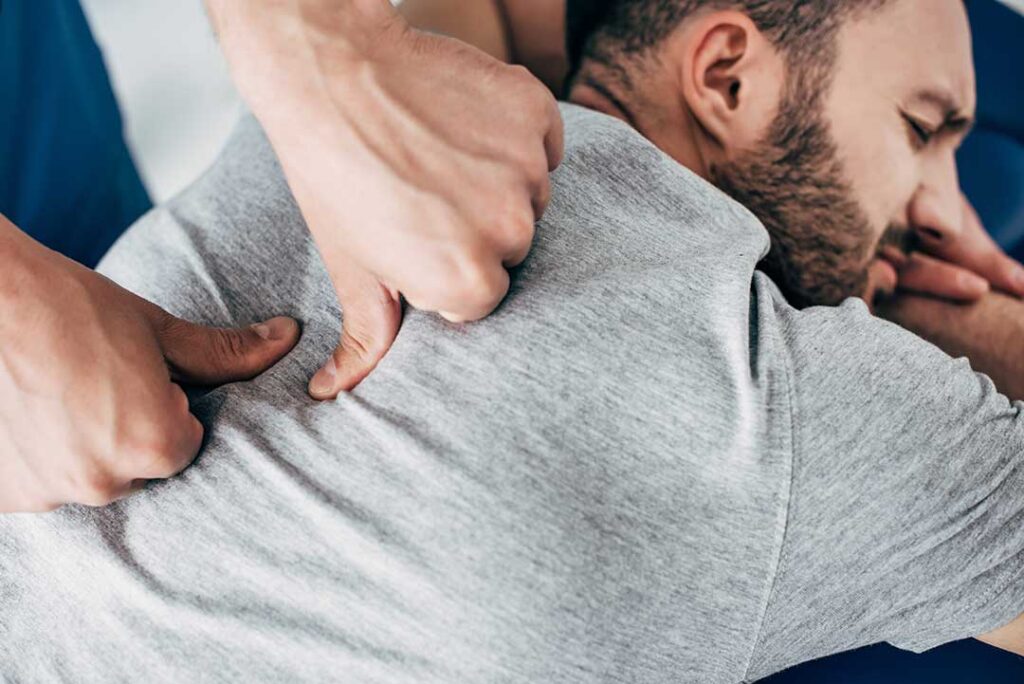
What Physical Signs Suggest You Might Need an Adjustment?
Minor aches, posture changes, or new mobility issues can signal your body is out of alignment. While everyday stiffness can happen for many reasons—especially with New Paltz’s seasonal shifts and outdoor activities—certain signs are more specific to spinal misalignment:
- Persistent neck or lower back pain, not explained by a single injury
- Trouble turning your head fully from side to side
- Uneven feeling in the shoulders or hips, noticed in the mirror or felt in daily movements
- Frequent tension headaches, especially those starting at the base of the skull
- A sense of “tightness” or pressure along the spine that doesn’t ease with normal stretching
Many local residents spend time gardening, hiking, or shoveling in winter; these activities can lead to subtle strains that progress to more noticeable issues if unaddressed.
Can Everyday Habits in New Paltz Affect Spine Health?
Yes, everyday habits unique to the New Paltz area can impact your spine’s alignment over time. The mix of historic homes, older sidewalks, and a largely walking-biking culture means frequent uneven surfaces and lifting—whether groceries up stoops or gear into the car.
Common lifestyle factors include:
- Long commutes over winding back roads, leading to static sitting
- Carrying backpacks or messenger bags, especially for students and faculty
- Yard and garden care that involves bending and twisting
- Participation in local sports or active clubs
These small, repeated stresses can add up, making joints and muscles less resilient—sometimes leading the body to compensate with imbalance or stiffness.
How Do You Know If It’s Alignment or Something Else?
Initial signs like mild aches or stiffness are common, but ongoing or progressing issues can set alignment problems apart from general soreness. A few ways to distinguish:
- Does the discomfort always return to the same spot, even after rest or massage?
- Is there a noticeable “pop” or “catch” sensation when twisting or stretching?
- Are you unconsciously favoring one side during routine tasks?
- Have friends or family mentioned your posture looks different lately?
If pain or dysfunction ever comes with numbness, tingling, unexplained weakness, or loss of bladder/bowel control, it may indicate a more serious condition requiring immediate medical evaluation.
What About Headaches or Jaw Pain—Could These Be Related?
Recurring headaches and even jaw discomfort can sometimes have roots in spine or postural alignment, especially in the neck and upper back. In and around New Paltz, the use of smartphones, laptops, and seasonal yardwork can add to “tech neck” and jaw tension.
Signs these problems may be posture- or alignment-related:
- Headaches often triggered by working at a screen or after long drives
- Jaw pain developing along with neck aches or after periods of poor sleep posture
- Headaches that respond somewhat to stretching but return frequently
Gentle lifestyle changes, like adjusting screen height and varying activities, can offer clues as to whether alignment is playing a role in these symptoms.
Are There Warning Signs You Shouldn’t Ignore?
Some symptoms should prompt caution, as they may signal the need for a healthcare provider’s input rather than self-care. Specific warning signs include:
- Sudden sharp pain following a fall or accident
- Loss of sensation, ongoing tingling, or muscle weakness in limbs
- Changes in balance or unexplained coordination loss
- Severe or progressively worsening headaches
- Difficulty sleeping due to unrelenting discomfort
Local clinics and urgent care facilities are equipped to help residents navigate these more serious issues.
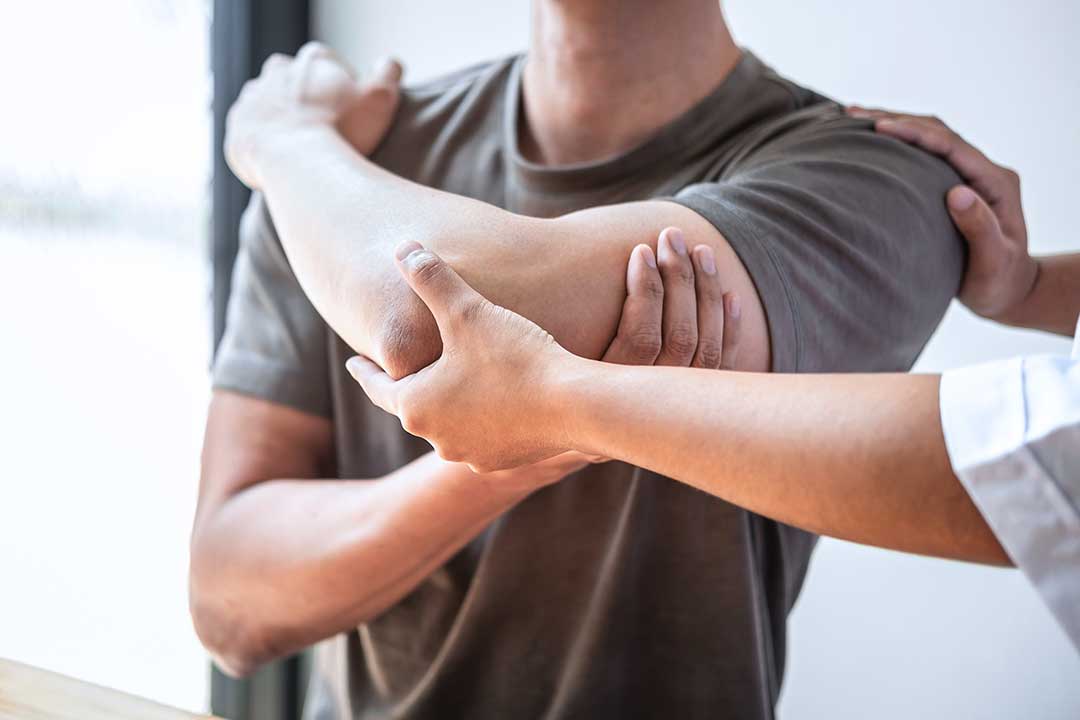
What Self-Checks or Home Strategies Help Monitor Alignment?
There are a few simple checks area households can do to spot issues before they worsen:
- Stand in front of a mirror barefoot—note if one shoulder, hip, or the ear is consistently higher than the other
- Lie on a firm surface and see if both sides of your back and hips touch the ground evenly
- While walking, mentally note if one foot always lands more heavily, or if your shoes show uneven wear
Routine movement—such as stretching, gentle yoga, or walking on varied surfaces around the community—can also highlight growing stiffness or pain patterns that suggest a spine may be out of balance.
Should Kids and Teens in the Area Be Checked for Spinal Issues?
While children are generally more resilient, active lifestyles and growing bodies sometimes develop postural habits or minor alignment problems. In New Paltz, where outdoor play and sports are common, parents might notice:
- Hunched or slouching posture that does not improve with reminders
- Complaints of back or joint pain after routine play
- Carrying heavy backpacks to school or activities, leading to visible leaning or wincing
Early attention to these signs—through improved ergonomics, backpack adjustments, and regular movement—can help prevent more serious discomfort or poor habits as kids grow.
What Are Common Myths About Needing an Adjustment?
Not every spinal “pop” or back ache means an adjustment is necessary. A few misconceptions:
- Only people with chronic pain need care—minor issues can benefit from healthy routines and prevention
- All body aches stem from the spine—in reality, muscle tension or other medical issues are just as likely
- Hearing a “crack” means realignment happened—sometimes it’s just gas bubbles moving in a joint
Approaching back or posture discomfort with practical awareness—rather than alarm—can be reassuring for local residents.
How Do New Paltz’s Seasons Influence Back and Joint Comfort?
New Paltz’s varied climate—humid summers, icy winters, and muddy springs—can each present unique stresses:
- Cold snaps mean shoveling, scraping, and stiffening in the morning
- Hiking or biking during peak weather may bring slips or overuse
- Gardening in damp soil encourages bending, kneeling, and awkward lifting
Rotating seasonal chores, warming up before strenuous activity, and staying hydrated can all support better spinal comfort year-round in the community.
