
 See Our Latest Article on HelloNation
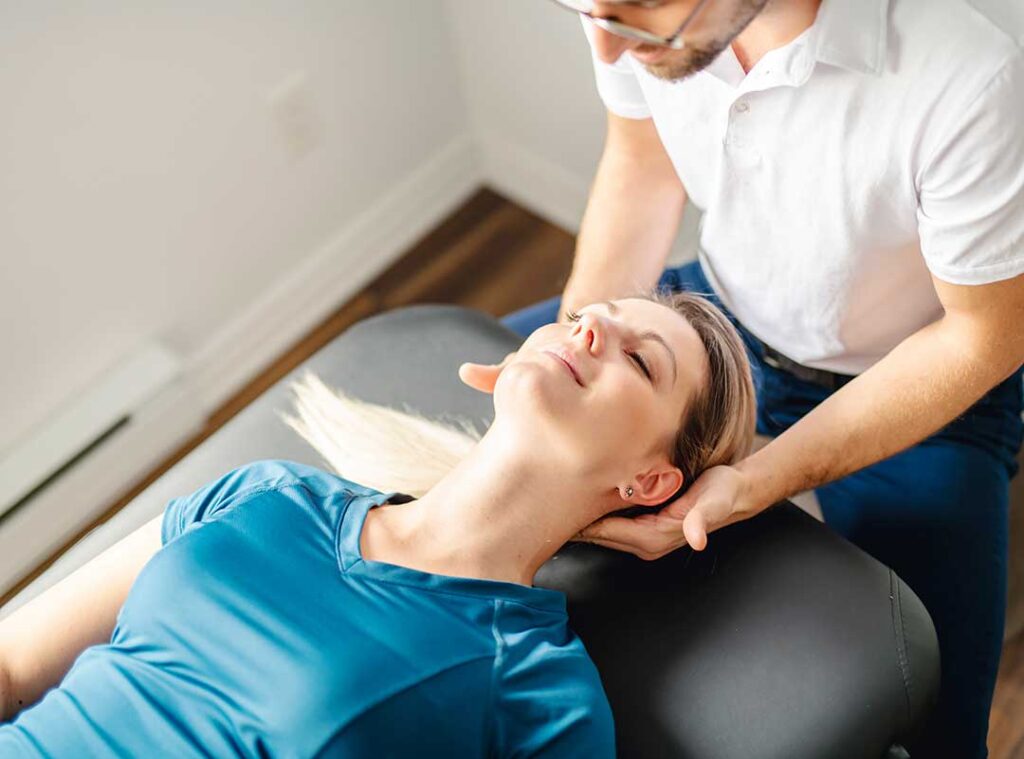
How Are Jaw Pain and Spinal Health Connected?
Jaw pain, especially involving the temporomandibular joint (TMJ), can be influenced by the alignment and health of the spine. The body’s structures are interconnected; strain or dysfunction in one area often relates to problems elsewhere. For residents of New Paltz, jaw discomfort may be tied to everyday posture, sleep habits, local work setups, or even seasonal stress patterns.
The jaw joint works in close relation to the upper neck (cervical spine). Nerves and muscles in these regions trade signals constantly. If the spine around the neck is out of alignment or tense, it may create extra pressure or imbalance for the jaw joint, sometimes leading to chronic pain, clicking, or limited jaw motion.
What Causes Jaw Pain to Develop Alongside Spinal Issues?
Jaw pain may develop due to several factors related to spinal health. One key reason is postural stress—common in the community given the area's mix of home offices, campus life, and outdoor activities. Rounding the shoulders, craning the neck forward (as with frequent screen use or texting), or sleeping in unsupportive positions can disturb neck and jaw alignment.
Additional contributors include:
- Previous falls, car accidents, or athletic injuries affecting the head and neck
- Clenching or grinding teeth during local allergy seasons or stressful periods
- Uneven bite or dental changes, possibly impacted by overall head posture
Muscle tension in the neck, shoulders, and jaw can create a cycle: pain leads to guarding (muscle tightening), which then restricts movement and worsens discomfort.
Can Spinal Alignment Influence TMJ Function?
Spinal alignment does affect how the jaw works. If the cervical spine (especially the upper vertebrae) is misaligned, it may change the way the jaw opens and closes. Residents of New Paltz might experience this as jaw clicking, headaches, or facial pain when working long hours at a desk, hiking with heavy backpacks, or sleeping on couches or firm guest beds during local busy seasons.
A well-supported head and neck make it easier for the jaw’s motion to stay smooth and even. Disruptions in spinal posture can cause one side of the jaw to work harder, potentially straining the TMJ and surrounding muscles.
What Symptoms Might Indicate a Link Between Jaw and Spine Problems?
Jaw pain related to spinal health often comes with other symptoms. Local residents should consider spinal factors if experiencing:
- Recurring headaches or facial pain alongside jaw soreness
- Neck stiffness or reduced ability to turn the head
- Earaches without signs of infection
- A clicking or popping jaw during stressful exam periods or heavy lifting
- Shoulder tension that accompanies chewing or talking
Sometimes, pain or tightness will seem to “travel” from the jaw into the neck, shoulders, or even upper back—especially after using improper posture for extended periods.
Are There Local Factors in New Paltz that Might Influence This Connection?
New Paltz households often adapt their daily activities to seasons, geography, and housing setups. For example, fluctuating weather may influence physical routines, from more shoveling and wood hauling in winter to hiking and gardening in spring. These changes can put extra demand on the spine and jaw.
Additionally:
- Many homes in the area feature older chairs or beds, which might not be ergonomically friendly
- Commuting, cycling, or walking on uneven local terrain can promote postural imbalances
- Common housework or campus tasks may involve lifting or looking down for extended times

Awareness of these patterns helps area residents make adjustments that benefit both their jaw and spine.
What Self-Care Steps Can Help Support Both Jaw and Spinal Health?
Supporting both jaw and spinal health starts with simple awareness of daily habits and comfort.
- Maintain upright, relaxed posture during reading, computer work, and phone use
- Use supportive pillows for sleeping, especially if switching between multiple beds or couches
- Incorporate gentle stretches for the neck and shoulders during long study or work sessions
- Be mindful of jaw tension during stressful periods—pause to relax the jaw and massage the cheeks or temples
- Avoid chewing gum excessively or biting hard objects
Residents often benefit from checking if their workplace or household setups encourage neutral spine and head alignment. Swapping seating or adjusting desk setups, especially in older homes, can reduce local strain.
Are There Misconceptions About Jaw Pain and Spine Health Connection?
A common misconception is that jaw pain always stems from dental problems or clenching alone. In reality, many cases are influenced by how the spine, head, and jaw coordinate together, especially with changes in daily movement patterns or posture. It’s also often assumed that these issues must be chronic or severe to matter, but subtle signs—like minor clicking when chewing or occasional neck aches—might indicate a developing connection.
Residents sometimes believe that youthful, active lifestyles protect them from these problems, but shifts in physical habits, study routines, or even sleep locations during visitor-heavy seasons may create new risks.
When Should Residents Seek Further Assessment?
If pain in the jaw or neck persists, limits daily activities, or is accompanied by symptoms like jaw locking, limited mouth opening, tingling in the arms, or persistent headaches, further evaluation may be warranted. In some cases, sudden injury or trauma involving the head or neck—such as from cycling or sporting accidents—can introduce spinal or jaw problems that should be checked promptly.
Paying attention to the timing and triggers of symptoms offers valuable clues about how the jaw and spine relate for each individual. Sharing this information with any involved health provider can support better outcomes.
