
 See Our Latest Article on HelloNation
What Is a Subluxation?
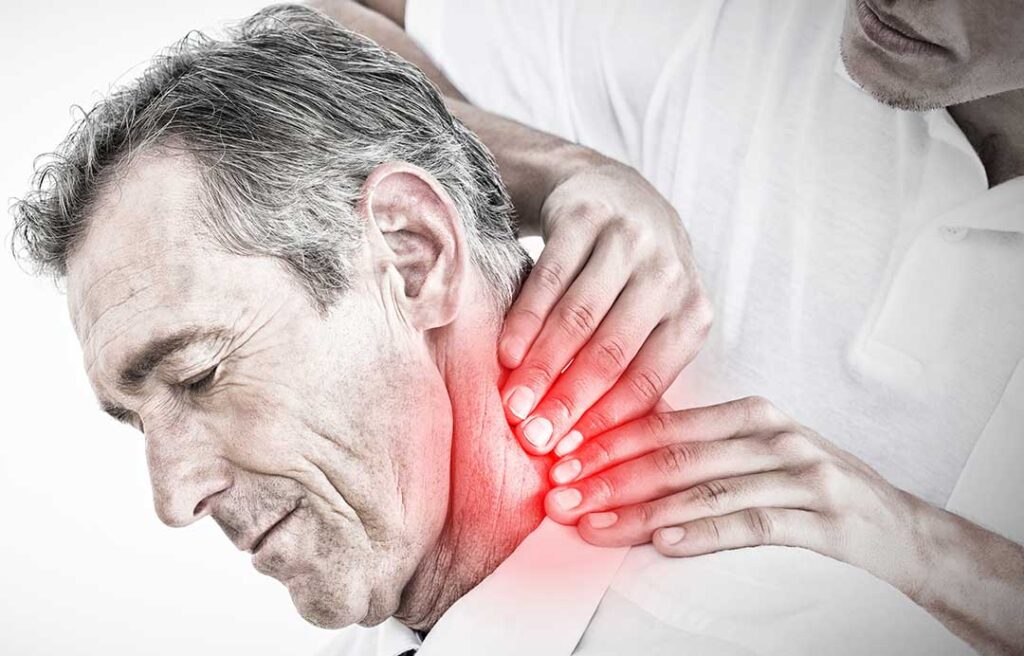
A subluxation, in chiropractic terms, refers to a situation where a joint—most commonly one in the spine—does not move or function as it should. The joint is not dislocated, but it may be slightly misaligned or restricted, causing changes to normal mobility. Unlike more severe injuries such as fractures or full dislocations, a subluxation generally involves subtle shifts or tensions within the structures that support the joint, including ligaments, muscles, and surrounding tissues.
In the context of spinal health, subluxations are often described as occurrences that may interfere with the way nerves transmit signals between the brain and other parts of the body.
Why Are Subluxations a Concern for Local Residents?
Subluxations matter because even small changes in how spinal joints function can have wide-ranging effects. These impacts aren't limited to pain—stiffness or reduced movement in one area of the spine can alter posture, influence balance, and even contribute to discomfort elsewhere.
Residents in New Paltz may notice these effects more during the region’s colder months, when snow shoveling, falls on icy walkways, and winter sports increase the chance of awkward movements leading to such joint disturbances.
Are Subluxations Always Painful or Obvious?
Most subluxations are not dramatic. Some cause pain or stiffness immediately, but others may be barely noticeable at first. Over time, misplaced or restricted joints might contribute to muscle tension, headaches, or a general sense of reduced mobility.
Common signs include:
- Recurring neck or back stiffness, especially in the morning or after activity
- Occasional “popping,” “clicking,” or a feeling of something being “off” in the spine
- Trouble turning your head or twisting comfortably
- Localized aches that do not resolve with basic stretches or rest
Many local residents, such as gardeners, hikers, or those with physically demanding jobs, report such symptoms after repetitive motions or carrying heavy items.
How Do Subluxations Happen in Everyday Life?
Subluxations can develop from a mix of major events and daily habits. In New Paltz, household routines and recreational activities often give rise to these issues, especially:
- Slips and falls on uneven sidewalks or hiking trails
- Lifting firewood or snow shoveling with poor technique
- Extended periods of hunched sitting during cold winter evenings
- Long car commutes over rural or bumpy roads
Even habitual posture—like sitting at a home office desk without enough support—can create low-grade stress on spinal joints.
What Complications Can Occur if Subluxations Are Ignored?
Ignoring a minor spinal issue rarely leads to an emergency in a healthy person, but over weeks or months, joint restrictions may limit movement and contribute to worsening posture or chronic tension. Residents might find that aches spread from one area to another—such as low back strain developing after months of favoring a stiff neck.
Potential long-term effects include:
- Reduced range of motion making it harder to turn, bend, or lift safely
- Compensatory movement patterns, raising the risk of strain in other joints or muscles
- Interrupted sleep from persistent stiffness, leading to daytime fatigue
- A gradual decline in activity levels, which can affect overall wellness
It’s a common misconception that subluxations “heal themselves” simply with rest. In many cases, modified movement, targeted stretching, or lifestyle changes are needed for improvement.
How Are Subluxations Detected?
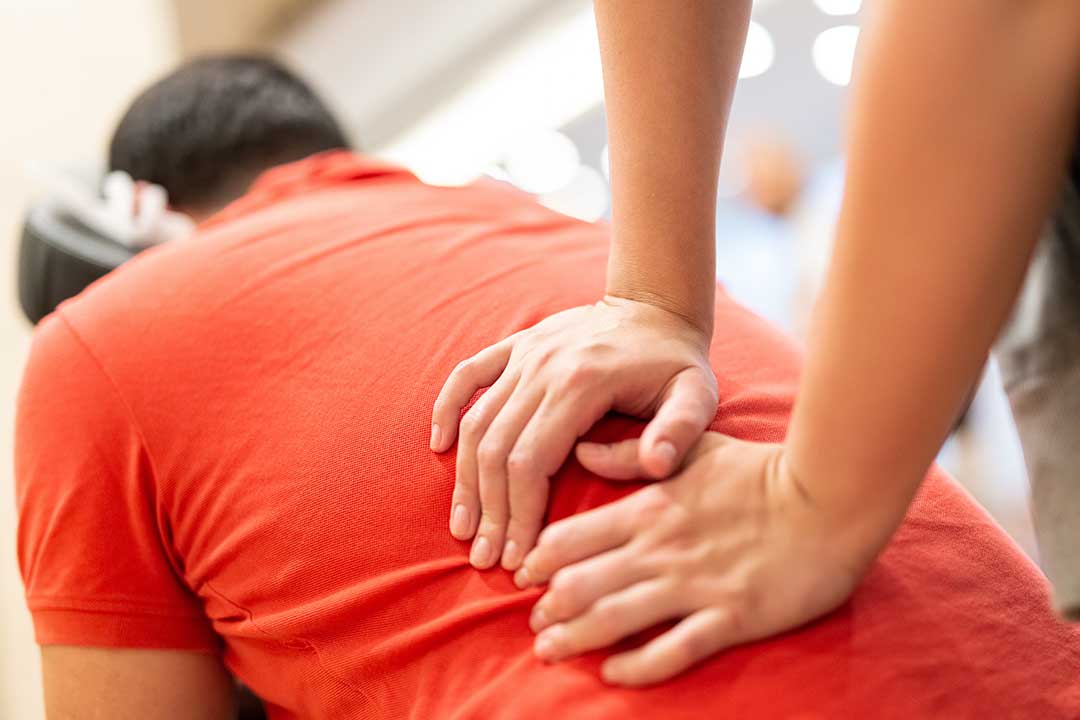
Unlike fractures or full dislocations, subluxations rarely show up clearly on routine X-rays or MRIs. Instead, detection focuses on changes in how the spine moves, the presence of muscle tightness, or signs of nerve irritation.
During a typical assessment, a care provider may:
- Observe posture and spinal alignment while standing and moving
- Test specific ranges of motion for stiffness or asymmetry
- Check for tender spots, knots, or increased muscle tension
- Discuss activity habits that may have contributed to recent symptoms
In New Paltz, adults who spend time outdoors, engage in sports, or do manual work often share common patterns of restricted motion that can be linked back to repetitive daily activities.
Can Lifestyle Influence the Risk of Developing Subluxations?
Absolutely—how local residents move and use their bodies every day plays a significant role. Some practical, locally relevant habits that can help maintain joint health include:
- Varying activities: alternating strenuous tasks like yardwork or trail hiking with stretching and rest
- Using ergonomic tools and furniture to encourage better posture during computer use or reading
- Being conscious of lifting technique, especially during chores that come with seasonal changes, like raking leaves or carrying groceries
- Taking breaks and moving gently after long car rides across the region
Paying attention to posture and functional movement, rather than only responding to pain, supports spinal health and decreases the chances of accumulating undetected joint restrictions.
Common Misconceptions About Subluxations
Some people believe that all back or neck pain automatically means a subluxation is present. However, many symptoms can arise from muscle strain, ligament sprain, or unrelated health issues. Others think only a dramatic accident can cause joint restrictions, but for most area households, the accumulation of minor stresses is the most common cause.
It’s also not true that “cracking” or “popping” the spine always resolves these issues. While these sounds may happen during stretches or movements, they do not guarantee the underlying joint restriction is corrected.
What Should Local Residents Watch for in Spinal Health?
Staying alert to changes in flexibility, comfort, and movement quality is key. If household activities or local outdoor routines start causing persistent discomfort, paying attention to how the spine feels—and adjusting habits accordingly—can maintain long-term mobility. Regular activity, stretching, and good posture habits support resilience against minor joint problems.
