
 See Our Latest Article on HelloNation
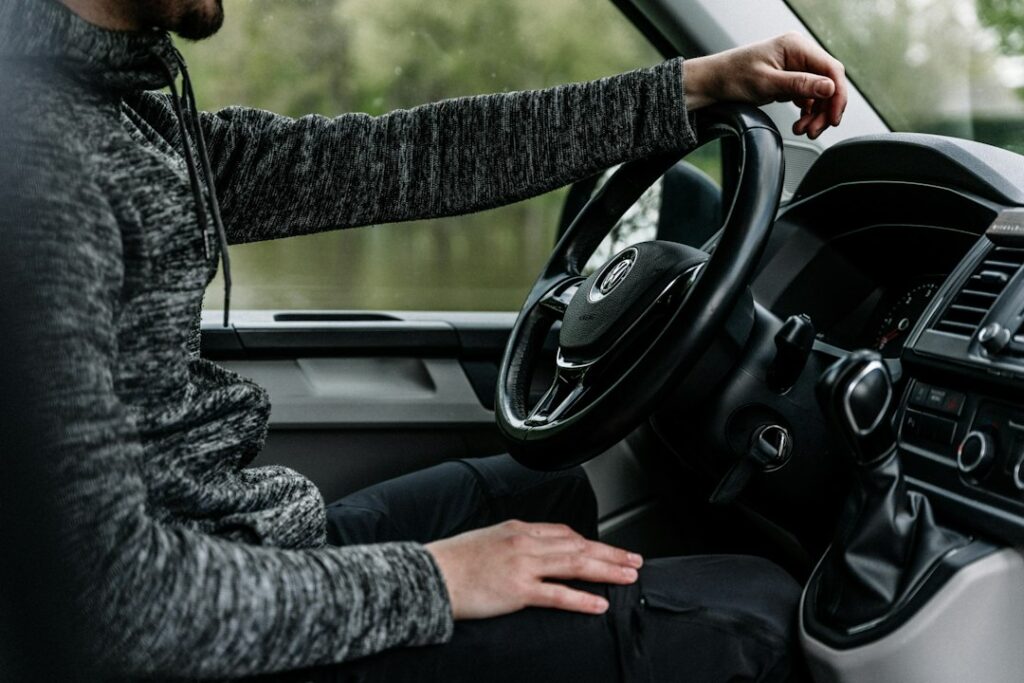
Driving can place the neck, shoulders, hips, and lower back in one position for a long time. A pain-free commute usually depends less on finding a perfect posture and more on adjusting the vehicle correctly, changing position regularly, and responding early to stiffness or fatigue.
How should a driver set up the seat?
Start with the seat before adjusting the steering wheel. The goal is to reach the pedals and wheel without stretching, rounding the back excessively, or lifting the shoulders.
Try these adjustments:
- Move the seat forward or backward so the knees remain slightly bent when the pedals are fully pressed.
- Keep the hips level with or slightly higher than the knees if that position feels comfortable.
- Adjust the seatback so the torso is supported without reclining so far that the head must reach forward.
- Position the steering wheel close enough that the elbows remain gently bent.
- Keep the shoulders relaxed rather than elevated toward the ears.
- Set the head restraint so it supports the back of the head, not just the neck.
A small amount of lower-back support can help if the seat leaves a noticeable gap behind the waist. A folded towel or appropriately sized lumbar cushion may be useful, but it should not push the lower back into an exaggerated arch. Vehicle ergonomics vary, so comfort and clear control of the pedals, mirrors, and steering wheel should guide the final setup.
Is “perfect posture” necessary during a commute?
No single sitting position prevents all discomfort. Remaining in one position for too long is often more troublesome than making small, regular posture changes.
During a drive, alternate naturally between lightly leaning against the seatback and sitting more upright. Avoid constantly bracing the abdominal muscles, gripping the steering wheel tightly, or holding the shoulders rigid. These habits can contribute to tension across the neck and upper back.
A useful check is to notice three areas:
- Hands: Are they gripping the wheel harder than necessary?
- Shoulders: Are they raised or pulled forward?
- Jaw: Are the teeth clenched during traffic or stressful driving?
Relaxing these areas does not mean becoming careless. The driver should remain fully attentive while reducing unnecessary muscle tension.
How often should someone stop and move?
For a longer commute, take a movement break before discomfort becomes intense. Waiting until the back or neck feels sharply painful can make it harder to recover during the rest of the day.
When safely stopped, spend a few minutes walking, gently extending the hips, rolling the shoulders, and moving the neck within a comfortable range. There is no need for aggressive stretching beside the vehicle. Gentle movement is usually more practical than holding a forceful stretch.
People who commute on winding, uneven, or weather-affected roads may tense their bodies without realizing it. Seasonal conditions such as cold temperatures, snow, glare, and wet pavement can increase concentration demands and encourage a tighter grip on the steering wheel. Building in extra travel time can make it easier to stop rather than pushing through increasing discomfort.
What can help with neck and shoulder tension?
Neck tension often develops when the head moves forward toward the windshield or when the driver repeatedly turns to check mirrors from an awkward position. Adjust mirrors after setting the seat so they encourage normal head movement rather than constant leaning or twisting.
Keep frequently used items within easy reach, but do not place a phone, bag, or loose object where it interferes with the legs or requires repeated reaching. Before starting the vehicle, set the mirrors, navigation, climate controls, and seat position.
If the vehicle has a heated seat, moderate warmth may feel soothing during cold weather, but heat should not be used to ignore worsening pain or numbness. The driver should also avoid using a device while moving; distracted driving creates a safety risk independent of musculoskeletal discomfort.
How can someone reduce hip and lower-back stiffness?
Hip stiffness can be aggravated by sitting with a wallet, bulky keys, tools, or other objects in a back pocket. Removing those items before driving may allow the pelvis to rest more evenly.
Other useful habits include:
- Keeping both feet positioned so the pelvis does not repeatedly rotate toward one side.
- Avoiding a twisted sitting position caused by reaching for passengers or objects.
- Getting out of the vehicle by turning the whole body rather than twisting sharply through the lower back.
- Walking briefly after arriving instead of moving directly from the driver’s seat to another prolonged sitting position.
- Changing positions during the workday, especially after a long commute.

A commute is only one part of the daily movement pattern. If someone sits for several additional hours at work or at home, the accumulated time may matter more than the drive itself.
Does commuting while tired affect physical comfort?
Yes. Fatigue can reduce attention and increase the tendency to slump, grip the wheel, or hold the body rigid. More importantly, drowsy driving is a serious safety risk. Adequate sleep is the reliable foundation for alert driving, while coffee or energy drinks alone may not fully counter sleep deprivation.
If drowsiness develops, the safe response is to pull over in an appropriate location and rest. Warning signs include drifting across lane lines, missing turns, repeated yawning, difficulty remembering the last few miles, or struggling to keep the eyes open. Medication labels should also be checked for possible drowsiness before driving.
When is commute-related pain a reason to seek medical attention?
Mild stiffness that improves with movement is often manageable, but persistent or worsening symptoms deserve attention. Medical evaluation is especially important when pain follows a crash, fall, or other injury, or when symptoms include:
- Numbness, tingling, or weakness in an arm or leg
- Pain traveling down an arm or leg
- Loss of balance or difficulty walking
- Severe headache with neck pain
- Loss of bladder or bowel control
- Fever, unexplained weight loss, or significant nighttime pain
- Symptoms that continue despite reducing aggravating activities
Pain that repeatedly returns during ordinary driving may also indicate that the seat position, vehicle fit, work setup, or overall movement routine needs closer assessment. Avoid stretching or exercises that clearly worsen symptoms.
For residents of New Paltz, a comfortable commute may require adapting to changing road and weather conditions as much as adjusting the vehicle itself. A properly positioned seat, relaxed grip, regular movement, and an honest response to fatigue can help make routine driving easier on the body without compromising attention or safety.
