
 See Our Latest Article on HelloNation
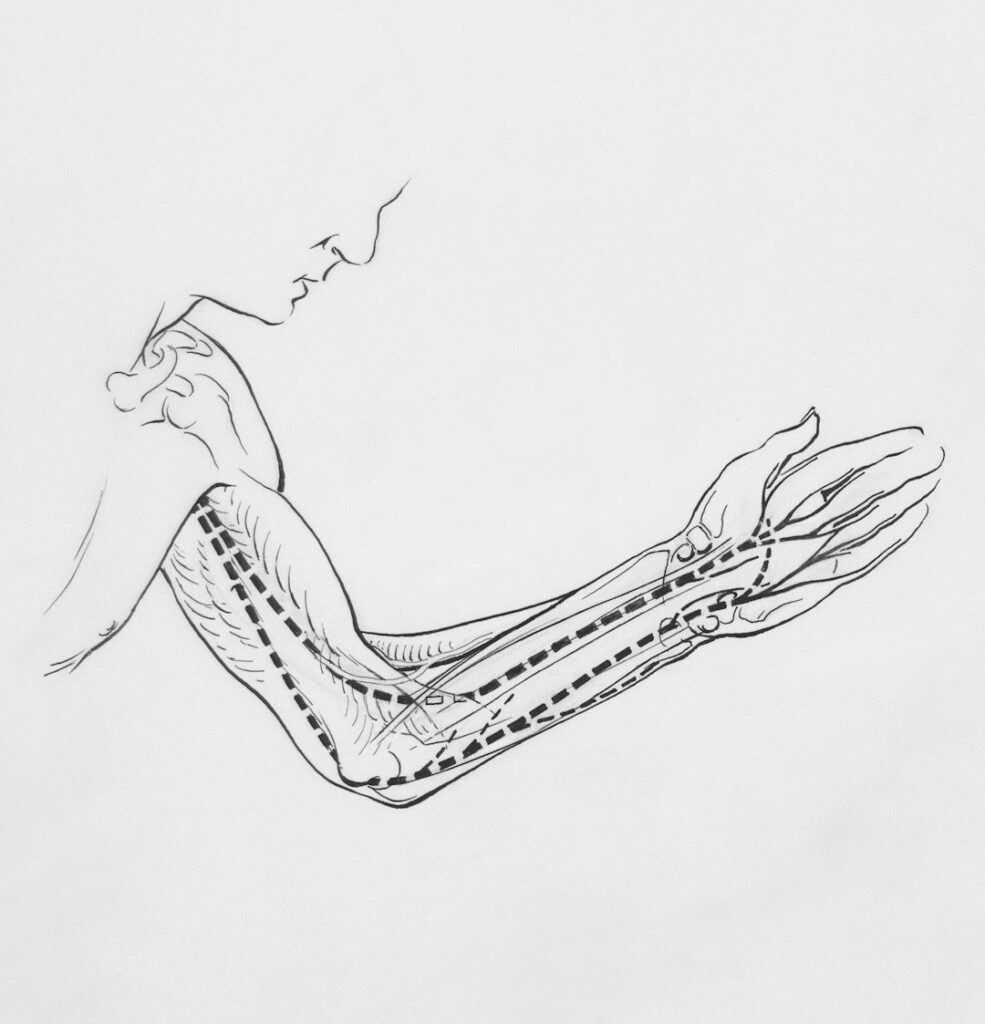
Nerve compression can begin with subtle changes: tingling in the fingers, burning pain down an arm or leg, or a hand that feels unusually clumsy. These symptoms may come and go at first, but they can become more persistent if the underlying irritation continues.
For residents of New Paltz, NY, symptoms may appear after long drives, desk work, cycling, hiking, lifting, home repairs, gardening, snow removal, or sleeping in an awkward position. The challenge is recognizing when ordinary soreness may involve a nerve rather than only a muscle or joint.
What does nerve compression feel like?
Nerve compression occurs when pressure or inflammation affects a nerve as it travels through the neck, back, shoulder, arm, wrist, hip, or leg. The sensation depends on which nerve is involved and how much irritation is present.
Common early symptoms include:
- Tingling or “pins and needles”
- Numbness in a specific area
- Burning, electric, shooting, or prickling pain
- Pain that travels along an arm or leg
- A feeling of heaviness or weakness
- Increased sensitivity to light touch
- Reduced coordination or an unusual tendency to drop objects
Nerve-related symptoms often follow a recognizable path instead of staying in one small spot. For example, irritation in the neck may cause symptoms through the shoulder and arm, while irritation in the lower back may affect the buttock, leg, or foot.
Is tingling always a sign of a pinched nerve?
No. Temporary tingling can occur when pressure briefly reduces circulation, such as after sitting on a foot or leaning on an elbow. It usually improves quickly after the pressure is removed.
Tingling deserves more attention when it:
- Returns repeatedly
- Lasts longer than a few minutes
- Affects the same fingers or toes each time
- Travels from the neck or back into an arm or leg
- Appears with pain, weakness, or coordination changes
- Wakes someone during the night
- Becomes more frequent or intense
Other conditions can also cause numbness or tingling, including diabetes, vitamin deficiencies, circulation problems, migraine, inflammatory disorders, and some medication effects. The location, timing, and associated symptoms help determine what may be happening.
Which early signs are easy to overlook?
The first warning sign is not always pain. Some people notice a change in function before discomfort becomes obvious.
A hand-related nerve problem may begin with difficulty fastening buttons, gripping tools, opening jars, or typing. A leg-related problem may show up as tripping, dragging the toes, feeling unsteady on stairs, or struggling to stand on one foot.
Other overlooked clues include:
Symptoms that change with position
Numbness or pain that appears after sitting, bending the neck, resting an elbow on a hard surface, or keeping the wrist flexed may suggest that certain positions are increasing pressure on a nerve.
Symptoms that are worse at night
Nighttime tingling in the hand is common with irritation around the wrist. Symptoms may also be noticed when sleeping with the neck, elbow, or wrist held in one position for a long time.
A smaller range of comfortable movement
A person may begin avoiding neck, shoulder, or back movement because a particular position triggers a sharp or electric sensation. That protective pattern can be mistaken for ordinary stiffness.
Weakness that feels like fatigue
Nerve-related weakness may feel different from tired muscles after exercise. A leg may buckle, a foot may slap the ground, or a hand may lose grip even without strenuous activity.
How can nerve compression differ from a muscle strain?
Muscle strain commonly causes localized aching, tenderness, and pain with contraction or stretching. Nerve irritation is more likely to cause symptoms that travel, tingle, burn, sting, or produce numbness.

The two problems can occur together. A muscle spasm in the neck or back may irritate nearby tissues, while inflammation around a joint may narrow the space available for a nerve. That is why the pattern matters more than one symptom alone.
A useful observation is whether the symptom stays in one area or follows a line into the hand, fingers, foot, or toes. Keeping a brief record of activities, positions, duration, and affected areas can make changes easier to recognize.
What local activities can contribute?
Seasonal routines may expose the body to repeated or unfamiliar strain. In the Hudson Valley, residents may alternate between long periods of indoor sitting during cold weather and sudden increases in outdoor activity during warmer months.
Examples include:
- Shoveling or lifting wet snow
- Carrying firewood or storage items
- Gardening after months of reduced activity
- Repetitive home maintenance
- Cycling with the neck extended or wrists bent
- Hiking with a heavy pack
- Long periods of driving
- Working at a laptop without changing position
These activities do not automatically cause nerve compression. The risk may increase when force, repetition, awkward posture, and insufficient recovery occur together.
What should someone do when early symptoms begin?
Mild, occasional symptoms may improve when aggravating positions and repetitive movements are reduced. Changing posture regularly, taking movement breaks, avoiding prolonged pressure on an elbow or wrist, and using comfortable sleep positions may help reduce irritation.
It is wise to avoid repeatedly testing a painful movement or pushing through increasing numbness. Gentle activity is often better tolerated than complete inactivity, but exercises that reproduce electric pain, spreading numbness, or weakness should be stopped.
Persistent or recurring symptoms should be evaluated by a qualified healthcare professional, particularly when they interfere with walking, sleep, work, hand use, or daily activities. A clinical assessment may include strength, sensation, reflexes, movement, and circulation checks. Imaging is not always necessary at the beginning and is generally guided by the examination and the suspected cause.
When is nerve compression an emergency?
Seek emergency medical care for new or rapidly worsening weakness, especially if an arm or leg becomes difficult to move. Immediate evaluation is also needed for new loss of bladder or bowel control, difficulty starting urination, inability to sense bladder fullness, or numbness around the inner thighs, genitals, buttocks, or “saddle” area.
Back or neck symptoms following a major fall, collision, or other significant injury also require prompt assessment. Fever, unexplained weight loss, a history of cancer, or severe pain that is worsening or occurring at rest can signal a problem that should not be managed only with home measures.
These warning signs are uncommon, but delaying care when they occur can increase the risk of lasting nerve damage. More ordinary tingling or radiating pain is not automatically an emergency, yet a pattern of progression, weakness, or loss of function should not be ignored.
What is the most useful early question to ask?
Ask whether the symptoms are becoming more frequent, spreading farther, or affecting function. A short episode after an awkward position is different from numbness that repeatedly returns, travels down a limb, or is accompanied by weakness.
Noticing those changes early can help distinguish a temporary irritation from a problem that deserves timely evaluation.
