
 See Our Latest Article on HelloNation

Anxiety can affect thoughts, sleep, breathing, digestion, concentration, and muscle tension. Chiropractic care may help some people manage physical discomfort associated with stress, but current evidence does not support spinal manipulation as a stand-alone treatment for an anxiety disorder.
Can chiropractic care reduce anxiety?
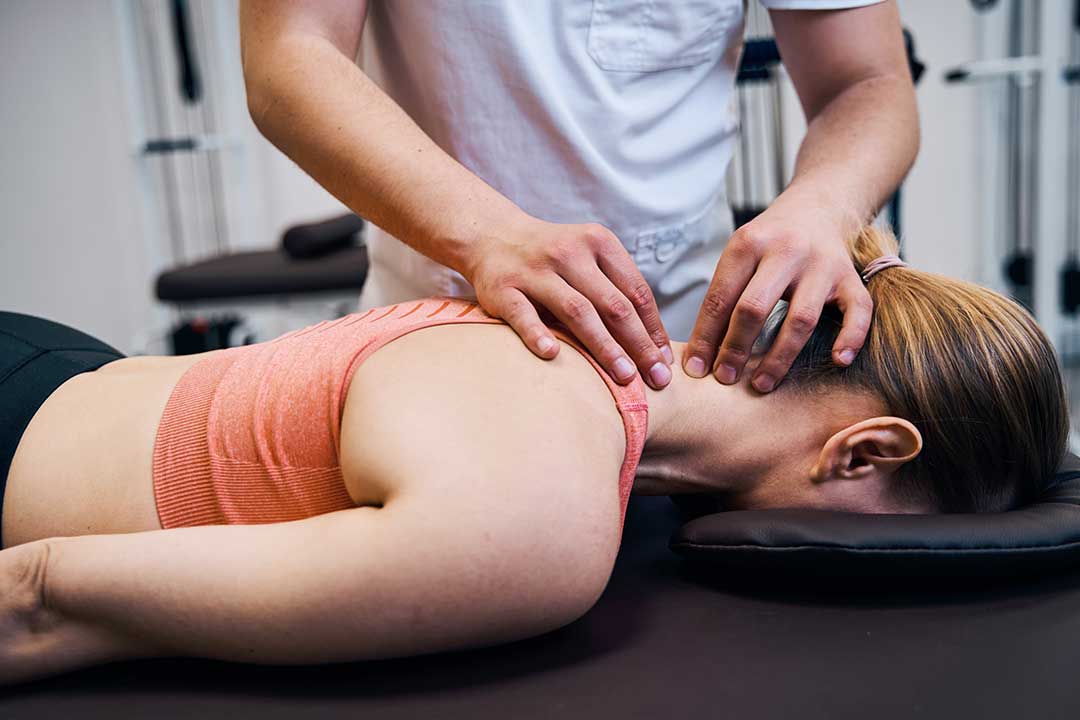
Possibly, but the expected benefit is limited and indirect. Chiropractic treatment may help relieve neck pain, back pain, headaches, or muscle tightness. If those symptoms are contributing to poor sleep, irritability, or a constant sense of physical tension, reducing discomfort may make it easier to relax.
That is different from treating the underlying causes of generalized anxiety disorder, panic disorder, social anxiety disorder, or another mental health condition. Research on complementary approaches, including spinal manipulation, has not established chiropractic care as a reliable primary treatment for anxiety. The National Center for Complementary and Integrative Health describes the evidence for physical approaches to anxiety as limited or still developing. ([nccih.nih.gov](https://www.nccih.nih.gov/health/anxiety-and-complementary-health-approaches?utm_source=openai))
A reasonable way to describe chiropractic care is as a possible supportive option for musculoskeletal symptoms—not a replacement for evidence-based mental health care.
Why can anxiety cause back, neck, or jaw tension?
Anxiety activates the body’s threat-response system. Muscles may remain partially contracted, breathing may become shallow, and a person may unconsciously brace the shoulders, neck, abdomen, or jaw.
Common physical effects include:
- Tightness across the upper back and shoulders
- Neck discomfort or tension-related headaches
- Jaw clenching or tooth grinding
- Low-back stiffness from prolonged sitting or guarded movement
- Trouble falling asleep because the body remains alert
- Increased awareness of normal sensations such as heartbeat or breathing
For residents managing long commutes, desk work, seasonal indoor routines, or physically demanding household tasks, anxiety and musculoskeletal strain can reinforce each other. Pain can increase worry, while worry can increase muscle guarding and sensitivity to pain.
Addressing the physical discomfort may be useful. It does not prove that a spinal problem caused the anxiety.
What might a chiropractic visit reasonably address?
A careful chiropractic assessment may focus on movement, joint mobility, muscle tenderness, posture, and how a person’s symptoms change with activity. Treatment could include manual techniques, mobility exercises, advice about pacing, or strategies for improving movement tolerance.
The most realistic goals are often physical:
- Improving comfortable range of motion
- Reducing muscle soreness or joint stiffness
- Supporting gradual return to normal activity
- Identifying movements or positions that aggravate symptoms
- Teaching simple exercises for strength and mobility
Some people feel calmer after hands-on care because quiet attention, controlled breathing, and temporary pain relief can reduce physical arousal. That experience can be genuine without meaning that chiropractic treatment has cured an anxiety disorder.
A provider should not claim that spinal adjustments correct chemical imbalances, eliminate panic disorder, or resolve anxiety by “realigning” the nervous system. Those claims go beyond what current evidence can support.
What treatments have stronger evidence for anxiety?
For persistent or impairing anxiety, psychotherapy—especially cognitive behavioral therapy—is among the better-supported treatments. CBT helps people identify unhelpful thought patterns, gradually face feared situations in a structured way, and develop practical skills for managing symptoms. Medication may also be appropriate for some people, either alone or with therapy. ([apa.org](https://www.apa.org/topics/anxiety-disorders?utm_source=openai))
Treatment depends on the type and severity of anxiety. Someone with occasional stress before an exam may need a different approach from someone experiencing panic attacks, months of uncontrollable worry, or avoidance of work and social activities.
A primary care clinician or licensed mental health professional can also help rule out medical contributors. Symptoms such as palpitations, dizziness, breathlessness, sweating, or gastrointestinal changes can occur with anxiety but may also have other causes. ([nhs.uk](https://www.nhs.uk/mental-health/feelings-symptoms-behaviours/feelings-and-symptoms/anxiety-fear-panic/?utm_source=openai))
Can chiropractic care be combined with mental health treatment?
Yes, in many cases, physical and mental health care can be used together. A person receiving therapy for anxiety might also seek help for neck pain, headaches, or back stiffness. The treatments should have clearly defined roles and should not interfere with one another.
Helpful coordination may include:
- Telling each provider about relevant diagnoses, medications, and symptoms
- Explaining whether pain or anxiety appeared first
- Tracking sleep, activity, pain intensity, and panic symptoms separately
- Avoiding changes to prescribed medication without medical guidance
- Reassessing treatment if symptoms worsen or fail to improve
It is also useful to distinguish relaxation after treatment from lasting improvement in anxiety. Lasting improvement generally involves changes in worry, avoidance, panic symptoms, sleep, and daily functioning—not only temporary muscle relief.
When should anxiety symptoms be medically evaluated?
Anxiety deserves additional evaluation when it interferes with sleep, work, school, relationships, driving, exercise, or leaving home. Repeated panic attacks, increasing avoidance, heavy alcohol or drug use to cope, or persistent physical symptoms are also reasons to seek appropriate care.
Urgent help is warranted for thoughts of self-harm, feeling unable to stay safe, severe confusion, or a mental health crisis. New chest pain, fainting, severe shortness of breath, sudden weakness, or other concerning physical symptoms should not automatically be assumed to be anxiety.
In a rural and small-community setting such as New Paltz, access may involve a mix of in-person and telehealth options, and seasonal changes can affect routines, outdoor activity, sleep, and stress. Practical care planning may therefore include identifying more than one source of support before symptoms become overwhelming.
What can someone try alongside appropriate care?
Low-risk habits may support both muscle comfort and emotional regulation:
- Take brief movement breaks during long periods of sitting.
- Use slow, comfortable breathing rather than forceful deep breaths.
- Keep a consistent sleep and wake schedule.
- Limit caffeine if it worsens shakiness, racing heart, or panic sensations.
- Resume enjoyable activity gradually instead of avoiding all exertion.
- Notice whether jaw clenching, shoulder bracing, or screen posture increases discomfort.
- Write down symptoms, triggers, sleep, and caffeine use to identify patterns.
These steps are supportive, not substitutes for treatment when anxiety is persistent or disabling.
The clearest answer is that chiropractic care may help anxiety-related muscle tension or pain for some people, but it should not be presented as a primary cure for anxiety. For ongoing worry, panic, avoidance, or major changes in daily functioning, evidence-based psychological care and medical evaluation remain central. ([apa.org](https://www.apa.org/topics/anxiety-disorders?utm_source=openai))
