
 See Our Latest Article on HelloNation
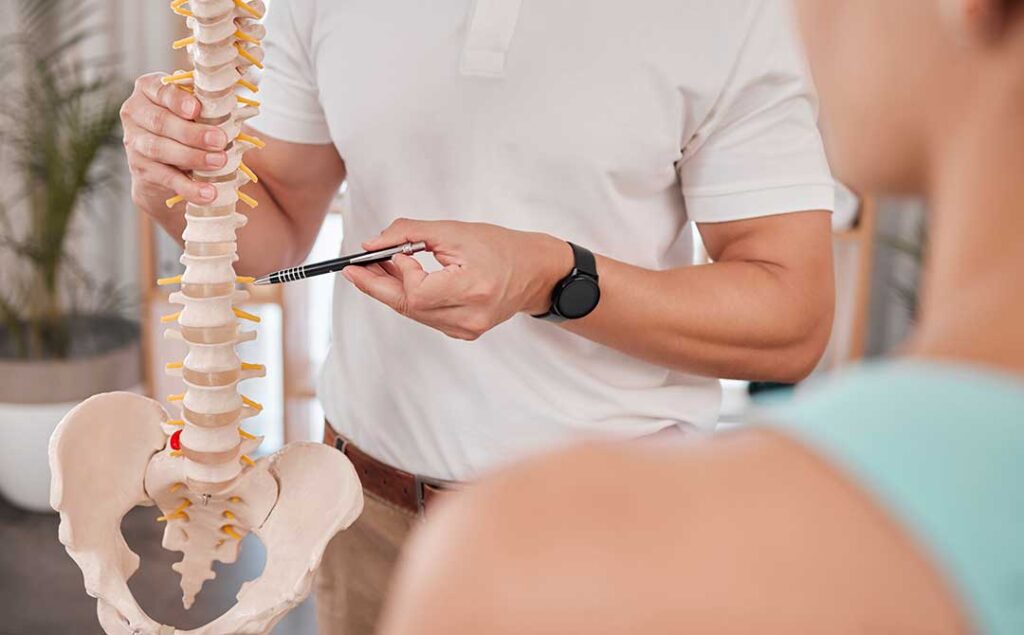
What sleeping position is healthiest for the spine?
For most people, the healthiest sleeping position is the one that keeps the spine in a relaxed, neutral alignment without causing pain, numbness, or stiffness. Back sleeping and side sleeping are usually easier on the spine than stomach sleeping, but there is no single position that works equally well for every body. ([health.clevelandclinic.org](https://health.clevelandclinic.org/best-sleeping-position?utm_source=openai))
A neutral position means the head, shoulders, pelvis, and hips are not twisted or forced into an exaggerated curve. The goal is not to remain perfectly still throughout the night. Normal movement is expected; comfort and alignment matter more than following a rigid rule.
For residents adjusting to colder nights, changing indoor temperatures, or firmer bedding in older homes, small changes in pillow placement and sleep setup may reduce morning stiffness without requiring a complete change in routine.
Is sleeping on your back good for lower back pain?
Back sleeping can reduce strain on the spine for some people, especially when the knees are slightly supported. Place one pillow under the knees so the legs are gently bent. This may relax the lower back and reduce the amount of arching through the lumbar region. A small rolled towel under the waist can provide additional support if there is a noticeable gap between the lower back and mattress. ([mayoclinic.org](https://www.mayoclinic.org/diseases-conditions/back-pain/in-depth/sleeping-positions/art-20546852?s=1%2C1&utm_source=openai))
The head pillow should support the natural curve of the neck without pushing the chin toward the chest. A pillow that is too tall may leave the neck flexed for hours, while one that is too flat may allow the head to fall backward or to one side.
Back sleeping may not be comfortable for everyone. People with loud snoring, diagnosed sleep apnea, or nighttime breathing interruptions are often advised to avoid lying flat on the back because this position can worsen airway obstruction. Side sleeping is commonly more suitable for breathing concerns, although persistent symptoms deserve medical evaluation. ([newsnetwork.mayoclinic.org](https://newsnetwork.mayoclinic.org/discussion/mayo-clinic-minute-what-is-the-best-sleeping-position/?utm_source=openai))
Why can side sleeping help the spine?
Side sleeping can support spinal alignment when the head and neck remain level with the rest of the body and the hips do not rotate forward. Bend the knees slightly rather than pulling them tightly toward the chest. A pillow between the knees can help keep the pelvis and hips from twisting, which may reduce stress on the lower back. ([mayoclinic.org](https://www.mayoclinic.org/diseases-conditions/back-pain/in-depth/sleeping-positions/art-20546852?s=1%2C1&utm_source=openai))
The pillow between the knees does not need to be thick. Its purpose is to prevent the upper leg from dropping forward. Some people prefer a longer pillow that supports the knees and lower legs, particularly if they change positions during sleep.
Check the position of the head pillow as well. If the neck bends downward toward the mattress, the pillow may be too low. If the head angles upward, it may be too high. The neck should appear roughly straight when viewed from behind.
A tightly curled fetal position can feel comforting for a short time, but staying deeply curled all night may place the neck and lower back in a flexed position. A lightly bent posture usually provides more room for comfortable breathing and movement.
Is stomach sleeping bad for the back?
Stomach sleeping is not automatically harmful, but it can be harder on the spine because the head must turn to one side for breathing. This may strain the neck, while the pelvis and lower back may sink into an exaggerated curve. ([mayoclinic.org](https://www.mayoclinic.org/diseases-conditions/back-pain/in-depth/sleeping-positions/art-20546852?s=1%2C1&utm_source=openai))
If stomach sleeping is the only position that feels comfortable, reduce strain by trying a thin pillow or no pillow under the head, provided this does not increase neck discomfort. A pillow placed under the hips and lower abdomen may reduce pressure through the lower back.
Stomach sleeping may also be uncomfortable for people with shoulder pain, neck stiffness, or certain spinal conditions. Rather than forcing an immediate change, try transitioning gradually by beginning on the side with a pillow behind the back to provide support.
How should a pillow support the neck?
A useful pillow keeps the neck aligned with the chest and upper back. The correct height depends on sleeping position, shoulder width, mattress firmness, and individual anatomy.
- Back sleepers generally need enough support to keep the head level, often with a small cushion under the knees.
- Side sleepers usually need a taller pillow because the shoulder creates more space between the head and mattress.
- Stomach sleepers often tolerate less height under the head, although changing position is preferable if possible.
The pillow should not force the neck into a sharp side bend. A simple test is to notice whether the neck feels strained when lying down and whether there is increased stiffness on one side after waking.
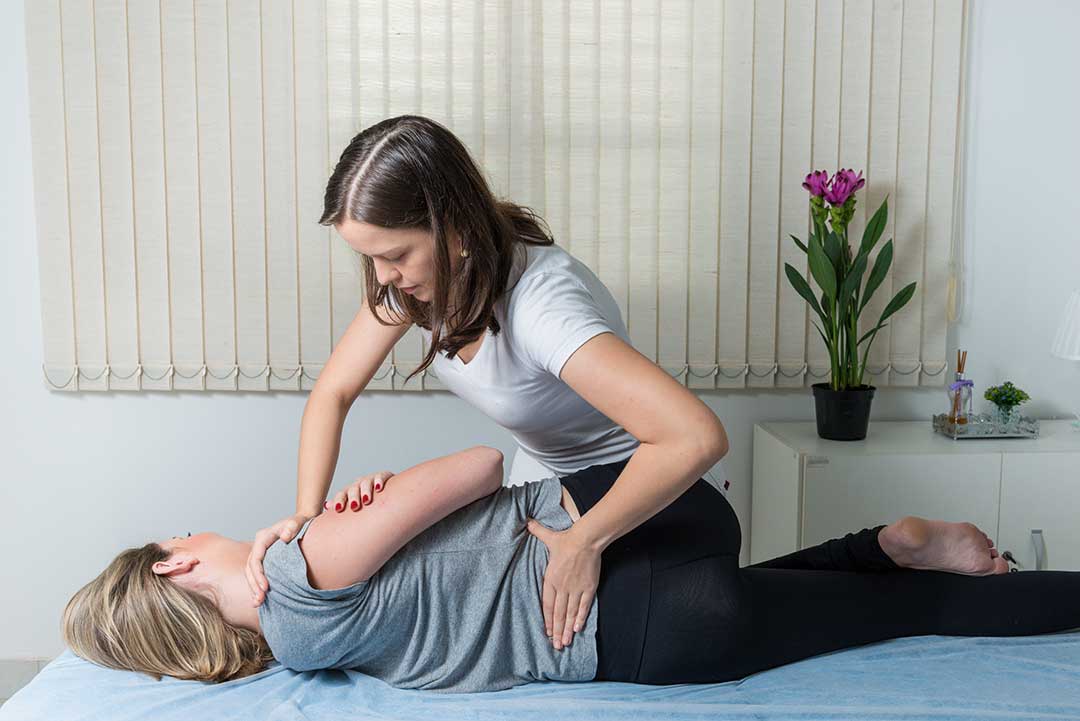
Does the mattress affect spinal comfort?
Yes. A mattress that sags can place the spine in a curved or rotated position for several hours. A very hard surface can also create pressure at the shoulders, hips, and ribs, particularly for side sleepers. The most suitable mattress is not necessarily the firmest one; it is the surface that supports the body without painful pressure or excessive sinking. ([my.clevelandclinic.org](https://my.clevelandclinic.org/health/articles/4290-low-back-pain-coping?utm_source=openai))
Before replacing a mattress, check whether the problem is related to the bed frame, foundation, pillow, or sleep position. Rotating the mattress according to its care instructions, replacing a flattened pillow, or adding support beneath the knees may be enough to improve comfort.
Seasonal habits can matter too. Extra blankets, heavy bedding, or sleeping in a cooler room may cause some people to remain rigid or curled during the night. Keeping the room comfortably warm and allowing enough space to change positions can help reduce that tendency.
What if every sleeping position causes pain?
If every position causes pain, the issue may involve more than sleep posture. Morning discomfort can be influenced by muscle irritation, joint problems, nerve sensitivity, mattress support, prolonged inactivity, or an underlying medical condition.
Try one adjustment at a time for several nights:
- Place a pillow under the knees while sleeping on the back.
- Place a pillow between the knees while sleeping on the side.
- Lower or raise the head pillow slightly.
- Avoid sleeping in a deeply twisted or tightly curled position.
- Change position if pain increases rather than trying to endure it.
Seek prompt medical attention for back pain accompanied by new bowel or bladder problems, numbness around the groin, severe weakness, loss of coordination, fever, unexplained weight loss, or pain following a significant injury. Pain that travels down an arm or leg, causes progressive numbness, or repeatedly disrupts sleep also warrants medical assessment.
The best position is ultimately the one that allows restful sleep while keeping the spine comfortable and symptoms stable. Small, gradual changes are usually more practical than trying to maintain a perfect posture all night.
